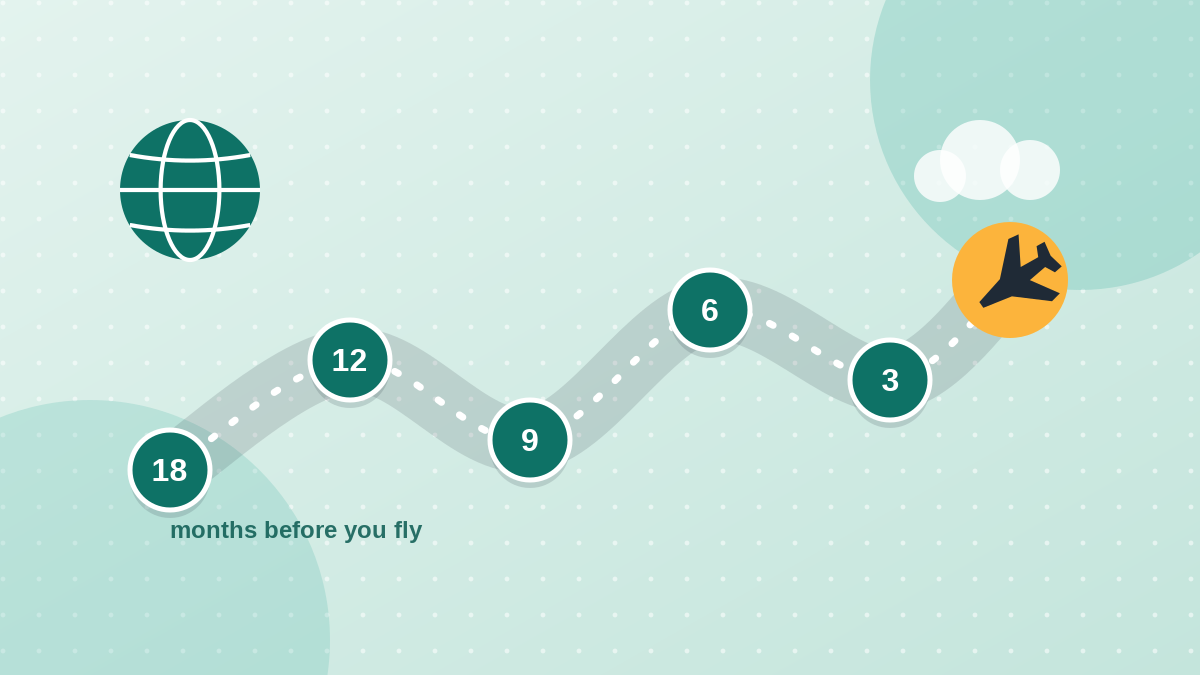
Studying abroad is not one big decision. It is about twenty small steps, and most of them have waiting periods. This guide puts them in order. Count backwards from the month you want to start your course (the “intake”), which is usually September.
18 to 15 months before: decide and shortlist
- Write down your limits first. How much can your family spend in total for the whole degree, and how much of that is already in the bank? Be honest. Everything else follows from this number.
- Choose three or four countries. Use Find your manzil for a first shortlist, then read each country page, especially the costs, funds and visa sections.
- Decide on the level and subject. Check that your Pakistani degree is accepted for what you want. A 14-year bachelor’s (BA or BSc) is a problem for many master’s programmes. A 16-year degree (BS, BE, BBA, MBBS) is the safest case.
- Check the scholarship calendar now. Look at the scholarships page and note each deadline. Several close 9 to 12 months before you would travel.
15 to 12 months before: tests and documents
- Book your English test. Read our English test guide first. Results usually last two years, so an early test gives you room to retake it.
- Start degree attestation. Apply on the HEC portal for your degree and transcript, and ask IBCC about your Matric and FSc or O and A level certificates. The document checklist shows the order.
- Start asking for references from teachers or employers. Give them your CV and a list of programmes.
- If you plan the GRE, GMAT or HAT, book it now.
12 to 9 months before: shortlist programmes and write
- Pick 4 to 6 programmes. Mix ambitious, realistic and safe choices. Read each programme’s own page, not only the country page.
- Write your SOP and CV. Read how to write a strong SOP, then draft it once for each type of programme.
- Prepare scholarship applications. Most need essays, references and a clear plan for returning home or contributing.
9 to 6 months before: apply
- Submit applications before the earliest deadline, not the last. UK, Canadian and Australian universities often review applications as they arrive. Germany and some other countries have fixed windows.
- Apply for scholarships in parallel. Do not wait for an admission offer unless the scholarship needs one at the deadline (Government of Ireland does).
- Keep every offer letter and email in one folder.
6 to 3 months before: accept, fund, and prepare the visa
- Compare offers and decide. Pay the deposit only after you read the refund terms.
- Arrange your money. Read the proof of funds guide. Funds usually must sit in the account for a set number of days, so do not wait.
- Gather visa documents: passport, attested certificates, police certificate where needed, medical or TB test where required, and your SOP or study plan.
- Book your visa appointment or submit online, depending on the country. Check processing times on the embassy or government site.
3 months to departure
- Wait for the visa and do not buy tickets before you have it. Some countries even tell you not to book travel until the visa is issued.
- Arrange accommodation. Use the university’s housing office first. Be careful with rental scams.
- Arrange insurance, a travel plan and a first-month budget.
- Carry certified copies of your documents in hand luggage. Also carry your polio vaccination certificate, which Pakistan expects travellers abroad to carry. Check the current rule before you travel.
A realistic note on timing
The above is a plan, not a promise. Visa decisions, university replies and scholarship results are out of your hands. What you can control is starting early, keeping documents clean and consistent, and applying to more than one option. If a plan falls through, a later intake (January or February in some countries) is a legitimate second chance, not a failure.
Frequently asked questions
How early should I start planning?
12 to 18 months before the intake you want. Scholarships such as Chevening, Fulbright and the HEC programmes close 9 to 12 months before you would travel, and degree attestation, English tests and bank statements all take weeks.
Can I apply late for the September intake?
Sometimes, but options shrink. Many scholarship deadlines have passed by spring, and visa appointments, attestation and blocked-account or funds requirements need time. If you are late, look at a January or February intake in countries that offer one.
Do I need an agent?
No. Applications to universities, scholarships and visas are all open to you directly, and official application fees are small. If you do use a counsellor, ask for their fees in writing, never pay for a promised visa or offer, and apply through your own account so you control it.
What if I have only FSc and I want a bachelor's?
Some countries accept FSc (12 years) directly and some ask for a foundation year or first-year university in Pakistan first. This is covered on each country page under entry requirements.
When should I take IELTS or another English test?
About 9 to 12 months before the intake, so you can retake it if needed. Results are usually valid for two years.
Official sources
- HEC e-Services (degree attestation) (eservices.hec.gov.pk)
- UK government: student visa (gov.uk)
- Government of Canada: study permits (canada.ca)
Last updated Published